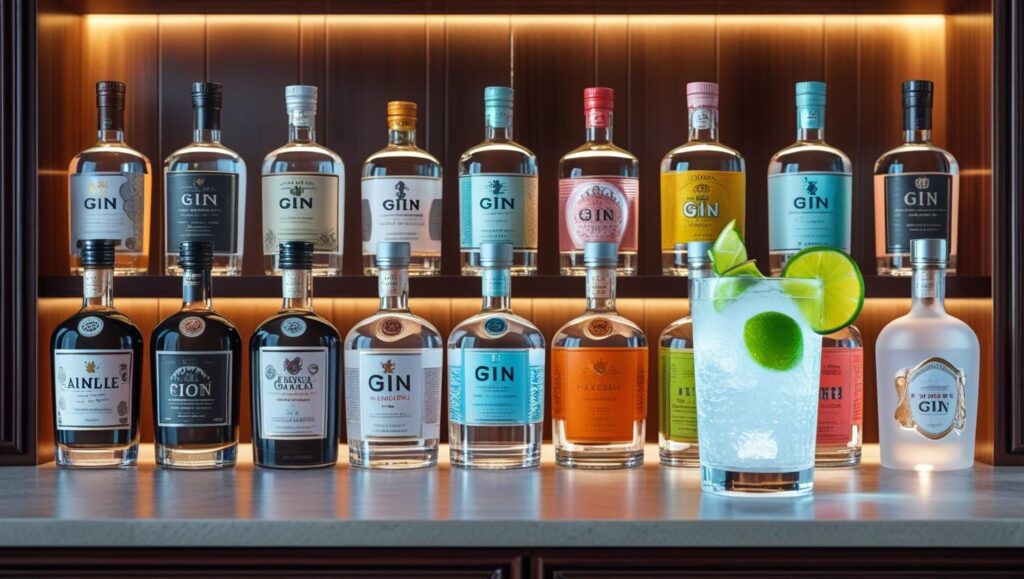
Types of Gin
Uncover the fascinating history, diverse styles, and production secrets of gin. Expand your knowledge and appreciation for this timeless spirit.
The Gin Spectrum: A Connoisseur’s Guide to the World’s Most Versatile Spirit
Gin, that enigmatic elixir of juniper and botanicals, is not just a spirit—it’s a chameleon. From its humble beginnings as a medicinal elixir to its current status as the darling of mixologists and cocktail enthusiasts, gin has evolved into a diverse family of spirits, each with its own personality, flavor profile, and origin story. Whether you’re sipping a classic London Dry or exploring the exotic depths of a Japanese gin, there’s a gin for every palate and occasion. Let’s dive into the world of gin, its types, and where it’s distilled, with a touch of humor and sophistication.
1. London Dry Gin: The Classic Gentleman
If gin were a character in a Jane Austen novel, London Dry would be Mr. Darcy—proper, sophisticated, and a bit aloof. London Dry gin is the most popular and widely recognized style of gin, and for good reason. It’s defined by its crisp, juniper-forward flavor profile, with a clean, dry finish that makes it the perfect base for classic cocktails like the Martini and Negroni.
- Where It’s Distilled: London Dry gin is traditionally distilled in England, though the name is more of a style than a geographical designation. Today, it’s produced all over the world, but the best examples still hail from the UK, where the art of gin-making has been perfected over centuries.
- Key Characteristics: Juniper berries are the star of the show, with supporting roles played by botanicals such as coriander, angelica root, and citrus peel. The spirit is distilled to a high proof and then diluted with water to achieve its signature dryness.
- Why It’s Popular: London Dry gin is the workhorse of the gin world. Its versatility makes it a favorite among both bartenders and home mixologists. Whether you’re crafting a classic Gin and Tonic or experimenting with a modern cocktail, London Dry is the go-to choice.
2. Plymouth Gin: The Rebel Cousin
Plymouth gin is the black sheep of the gin family—a bit more mellow and less juniper-centric than its London Dry counterpart. Distilled in Plymouth, England, this style of gin is known for its smooth, slightly sweeter profile, with a hint of spice and citrus.
- Where It’s Distilled: Plymouth gin is exclusively produced in Plymouth, a port city in southwestern England. The original Plymouth gin, made by the Plymouth Gin Distillery, is the only gin in the world to hold a Royal Warrant, granted by King Charles III.
- Key Characteristics: Plymouth gin is less juniper-forward than London Dry, with a softer, more rounded flavor profile. It often features botanicals like orange peel, cinnamon, and nutmeg, giving it a warmer, spicier character.
- Why It’s Popular: Plymouth gin is a favorite among those who prefer a gentler gin experience. Its approachable flavor profile makes it a great choice for sipping neat or in cocktails that require a touch of sweetness.
3. Old Tom Gin: The Vintage Gentleman
Old Tom gin is the grandfather of gin, a throwback to the 18th century when gin was a bit more rustic and less refined. This style of gin is characterized by its sweeter, more syrupy profile, often with a hint of caramel or molasses.
- Where It’s Distilled: Old Tom gin was originally produced in England, but today it’s a rare find. The most famous example is the Old Tom Gin by Sipsmith, a modern revival of the classic style.
- Key Characteristics: Old Tom gin is less juniper-forward than London Dry and Plymouth gin. Instead, it features a sweeter, more syrupy flavor profile, often with notes of caramel, molasses, and citrus.
- Why It’s Popular: Old Tom gin is a nostalgic favorite for those who appreciate the history of gin. Its unique flavor profile makes it a great choice for classic cocktails like the Tom Collins and the Martinez.
4. Dutch Gin (Jenever): The Original
Before London Dry gin, there was Dutch gin, also known as jenever. This is the granddaddy of all gins, a spirit that predates the British Empire and the rise of gin as we know it today.
- Where It’s Distilled: Jenever is traditionally distilled in the Netherlands and Belgium, where it’s a beloved national drink. The most famous examples come from cities like Schiedam and Antwerp.
- Key Characteristics: Jenever is typically made from a base of malt wine (a type of grain spirit) and flavored with juniper berries and other botanicals. It has a rich, malty flavor with a hint of juniper, making it more akin to whiskey than modern gin.
- Why It’s Popular: Jenever is a beloved staple in Dutch and Belgian culture, often enjoyed as an aperitif or with a shot of beer (a tradition known as “jenever met bier”). Its unique flavor profile makes it a fascinating choice for those who want to explore the roots of gin.
5. New American Gin: The Upstart
In recent years, the United States has become a hotbed of gin innovation, with craft distillers experimenting with new botanicals, production methods, and flavor profiles. New American gin is a catch-all term for gins produced in the U.S. that don’t fit neatly into traditional categories.
- Where It’s Distilled: New American gin is distilled all over the United States, from coastal cities like San Francisco and New York to the heartland of Kentucky and Tennessee.
- Key Characteristics: These gins often feature unconventional botanicals, such as lavender, chamomile, or local herbs and spices. They can range from juniper-forward to citrus-heavy, with a wide variety of flavor profiles.
- Why It’s Popular: New American gin is all about creativity and experimentation. It appeals to those who want to explore the boundaries of gin and discover new flavor combinations.
6. Japanese Gin: The Zen Master
Japan has become a powerhouse in the world of gin, producing some of the most innovative and high-quality gins on the market. Japanese gin, often referred to as “jizake gin,” is renowned for its precision, balance, and meticulous attention to detail.
- Where It’s Distilled: Japanese gin is distilled all over Japan, with notable producers in cities like Tokyo, Kyoto, and Hiroshima.
- Key Characteristics: Japanese gin typically showcases a delicate balance of botanicals, emphasizing subtle and nuanced flavors. It may include traditional Japanese ingredients such as yuzu, sansho pepper, or green tea, giving it a distinctly Asian flavor.
- Why It’s Popular: Japanese gin is prized for its craftsmanship and attention to detail. It appeals to those who appreciate the artistry and precision of Japanese culture, as well as those who want to explore new flavor profiles.
7. Navy Strength Gin: The Bold Adventurer
Navy strength gin is the brawny cousin of the gin family, known for its high alcohol content (typically 57% ABV or higher). This style of gin pays homage to its historical use as a disinfectant and antiseptic for British sailors.
- Where It’s Distilled: Navy strength gin is traditionally distilled in England, but it’s now produced all over the world.
- Key Characteristics: Navy strength gin is typically juniper-forward, featuring a bold and intense flavor profile. Its high alcohol content makes it a favorite for those who like their spirits with a punch.
- Why It’s Popular: Navy strength gin is a favorite among gin enthusiasts who appreciate its intensity and historical significance. It’s also a great choice for those who want to make a statement with their gin.
8. Sloe Gin: The Sweetheart
Sloe gin is a liqueur made by infusing gin with sloe berries (a type of plum) and sugar. It’s a sweet, fruity variation of gin that’s perfect for sipping neat or in cocktails.
- Where It’s Distilled: Sloe gin is traditionally produced in England, but it’s now made all over the world.
- Key Characteristics: Sloe gin boasts a deep, rich flavor with notes of plum, cherry, and a hint of sweetness. It’s often used in cocktails, such as the Bramble, or as a dessert liqueur.
- Why It’s Popular: Sloe gin is a favorite among those who prefer a sweeter, fruitier gin experience. Its versatility makes it a great choice for both cocktails and sipping.
Where Gin Is Distilled: The Global Gin Map
Gin is no longer confined to the shores of England. Today, it’s distilled all over the world, each region bringing its own unique flair to the spirit. Here’s a quick rundown of some of the most notable gin-producing regions:
- England: Home to London Dry gin, Plymouth gin, and a host of craft gins. The English are the undisputed masters of gin-making, with a rich history and a focus on quality.
- Netherlands and Belgium: Birthplace of jenever, the original gin. Dutch gin is renowned for its malty, grain-based profile, whereas Belgian gin often showcases local botanicals.
- United States: A hotbed of gin innovation, with craft distillers experimenting with new botanicals and production methods.
- Japan: Renowned for its precision and attention to detail, Japanese gin frequently incorporates traditional Japanese ingredients such as yuzu and green tea.
- Australia and New Zealand: These countries have embraced gin with a passion, producing a wide range of styles, from traditional London Dry to experimental craft gins.
- Scandinavia: Home to Nordic gin, which often features local botanicals like juniper, birch, and cloudberries.
The Most Popular Types of Gin
While gin is incredibly diverse, certain styles consistently top the charts in terms of popularity:
- London Dry Gin: The most popular and widely available style of gin, beloved for its versatility and classic flavor profile.
- New American Gin: A rising star in the gin world, known for its creativity and experimentation.
- Japanese Gin: Prized for its craftsmanship and unique flavor profiles.
- Navy Strength Gin: A favorite among gin enthusiasts who appreciate its intensity and historical significance.
- Sloe Gin: A sweet, fruity liqueur that’s perfect for sipping or in cocktails.
Final Thoughts: Gin, the Spirit of Adventure
Gin is more than just a spirit—it’s a journey through history, culture, and flavor. From its origins as a medicinal elixir to its current status as a global phenomenon, gin has evolved into a diverse family of spirits, each with its own personality and charm. Whether you’re sipping a classic London Dry or exploring the exotic depths of a Japanese gin, there’s a gin out there for every palate and occasion.
So raise a glass to the spirit of gin—a drink that’s as complex as it is approachable, as historical as it is modern. Cheers to the gin connoisseurs who keep the flame alive, and to the gin makers who continue to push the boundaries of this beloved spirit. Here’s to the art of gin, the science of gin, and the sheer joy of sipping it. 🍸✨
P.S. Remember, gin is like a good conversation: it gets better with age, but it’s always worth starting.
Gin Types & Production
From London Dry to New Western, gin comes in many styles. Discover the key botanicals, distillation methods, and what makes each gin unique. Our guide helps you identify and appreciate the rich diversity of gin available today.